
Written by Rebecca Gibbel, MS, DVM
For many years, humans have believed that our tool use, language skills and planning abilities make us superior to other animals. But now that numerous animals like dolphins, octopuses, monkeys and birds have been found to use tools, that feature has been discarded as evidence of our human primacy. With recent research showing that sperm whales’ vocalizations represent complex language1 and that ravens and apes can delay gratification by strategizing2, our pedestal is getting quite shaky. The list of human special features is being shortened all the time, and proposed characteristics like having a soul are harder to prove.
Philosophers and ethicists often agree that other creatures are worthy of moral concern if they have a brain and can feel pain. When animals lack central nervous systems, we don’t feel guilty when we consume them. But numerous neurobiological studies have shown that fish do feel pain, which leaves us in the uncomfortable position of knowingly killing them in painful ways. At least clams and slimy invertebrates don’t have brains, so raw oysters are still okay to eat, right?
Well, it turns out that having a brain isn’t the only valid approach to a nervous system. Species have been evolving for a long time to fit their environmental niches, and the model of a central brain in a head isn’t the only approach that works. Octopuses should win a prize for having unusual bodies, and their nervous systems are no exception. Theirs is a decentralized nervous system that simultaneously has brain control but also full limb autonomy with numerous suckers that are separately regulated.
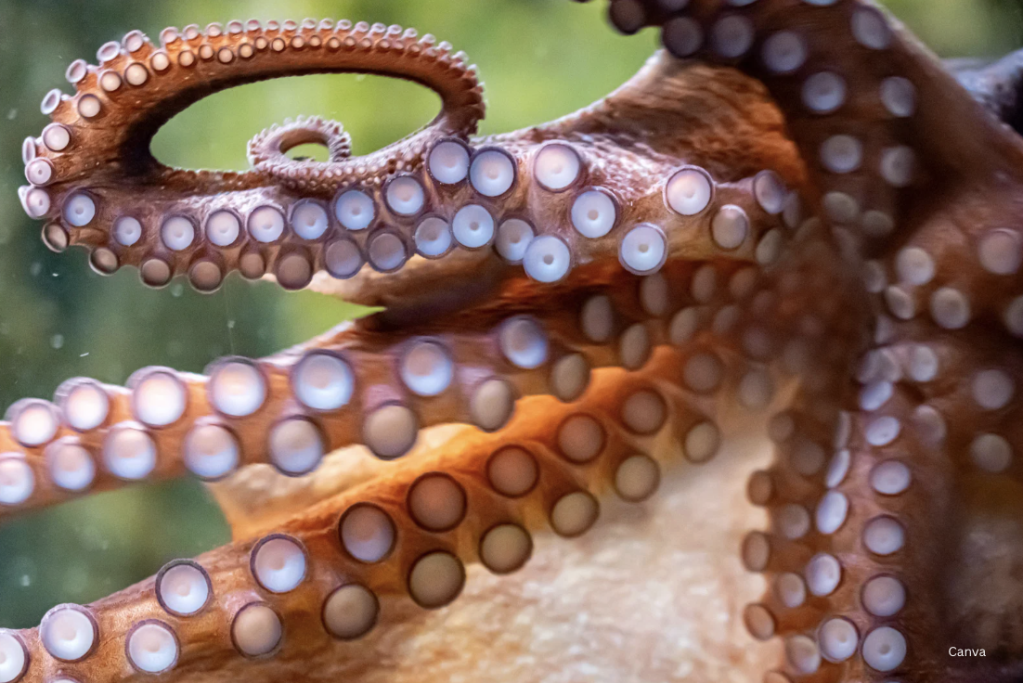
Figure 1. Octopus arms have up to 280 sensitive suckers on each one.
They do have a brain in their sort-of-heads, but each of their eight arms also has an independent satellite nerve center. These “mini brains” consist of ganglia (which are relay stations between neurons), and a nerve bundle that runs down the center of each arm similar to our spinal cords. Each arm can taste, move, and change color to match its background independent of input from the central brain, since the arms have a neural ring that bypasses the brain. An octopus’ arm that is severed from the body will continue to do things like grasp food and bring it toward a mouth that is no longer there!
Each arm is aware of the others, which improves coordination of tricky movements like crawling with eight limbs. And the separation of the brain from the color sensors in the arms is what permits an octopus to change color to match surfaces hidden from their eyes. It’s daunting to imagine what it’s like to be an animal with so much information about taste, smell, touch, and visual information coming from more than 2000 suckers on 8 separate arms! The ability to delegate this avalanche of sensory input to the peripheral mini brains may allow the central brain to focus on detecting danger, opening jars and solving researchers’ puzzles.
In Carls-Diamante (2022) the author concludes, “there is reason to speculate that if octopuses do possess consciousness, it may be of a form highly dissimilar to familiar models. In particular, it may be that the octopus’ arm is capable of supporting an idiosyncratic field of consciousness.” The concept of an arm with its own type of consciousness is an intense idea to ponder the next time you see fried octopus on a menu!
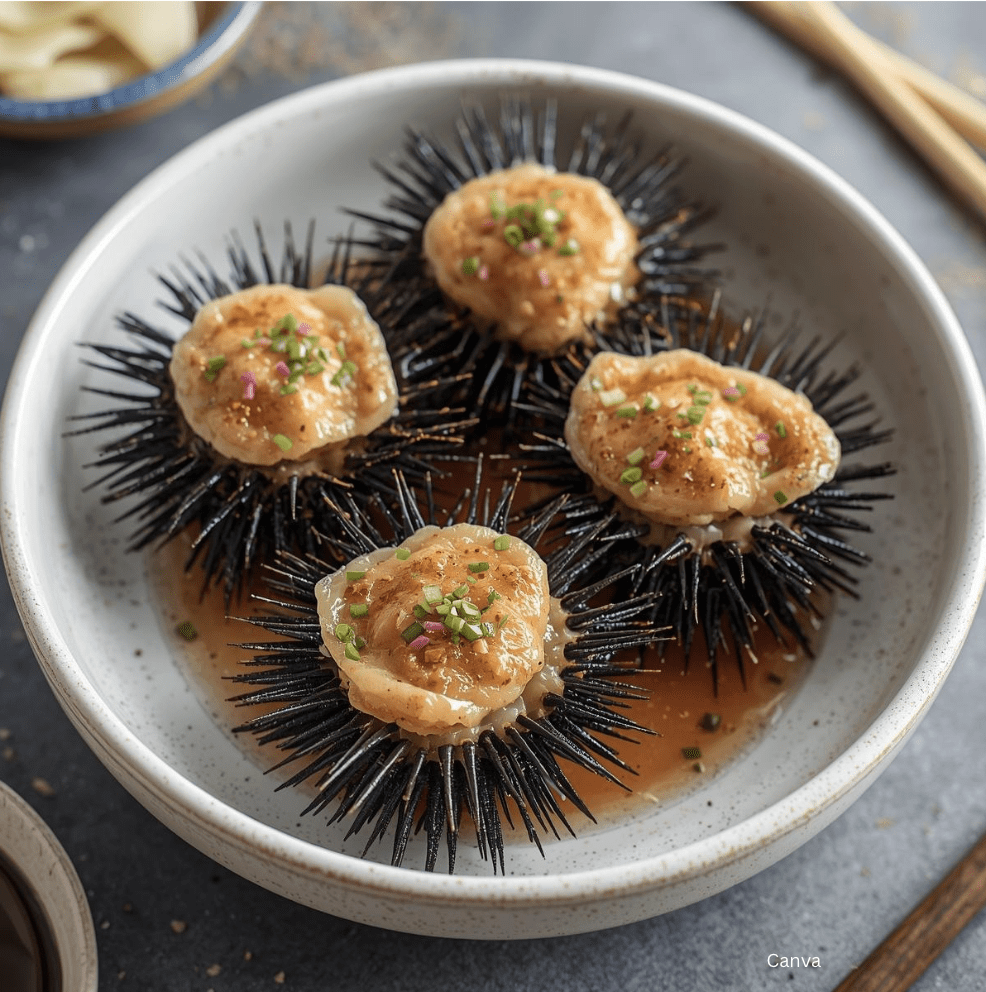
Figure 2. Urchins are widely used in sushi, despite being quite clever.
Speaking of “seafood”, sushi lovers may be dismayed to learn about the complex decentralized nervous system of mollusks like clams and scallops, and echinoderms like urchins. Sea urchins possess a neural plan known as an “all brain organization.” Instead of a central brain in a head, their nervous system is spread out all over their bodies3. Instead of eyes, they have widely distributed photo-receptive cells that can sense light and movement, and information is transmitted via a central nerve ring and radial and peripheral nerves. Their arrangement of nerves is not the same system that vertebrates use, but it allows them to coordinate the motion of hundreds of tube feet that they use to explore their environment. This incredible ability alone emphasizes how well a decentralized nervous system can function!
Equally impressive is the diffuse visual system of clams and scallops, which have up to 200 eyes with lenses. With their decentralized nervous system, they manage to assimilate a huge volume of visual input and form images of their surroundings.
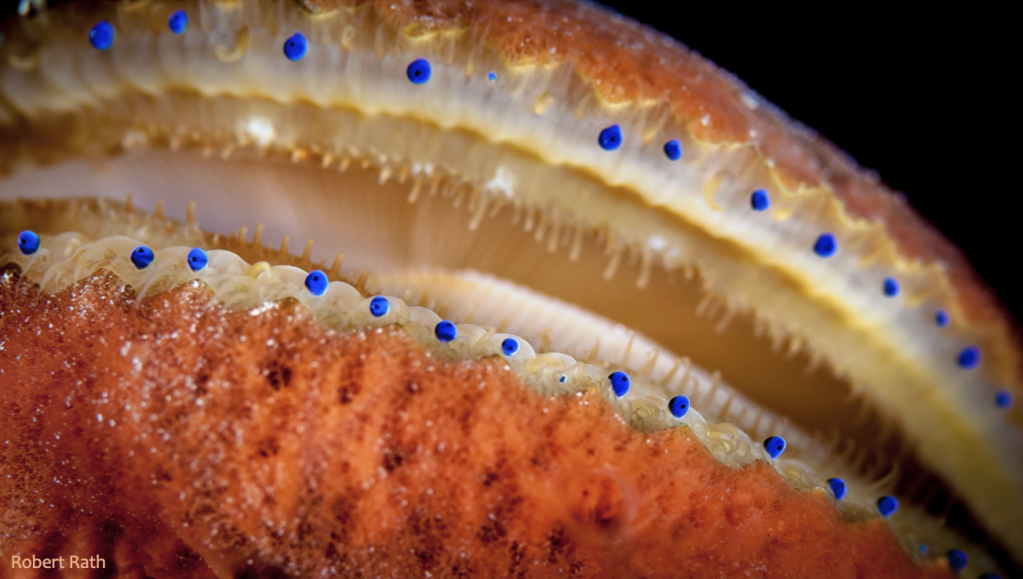
Figure 3. Bay scallops have bright blue eyes on their mantle edge, which are all looking at you.
Far from being sedentary blobs best used in chowder, scallops can respond to a startling bright light by actively swimming away by opening and closing their shells. For fascinating videos, either search a web browser for “scallops swimming” or just go to this link and be impressed by their swimming abilities, even without a brain, fins or limbs!
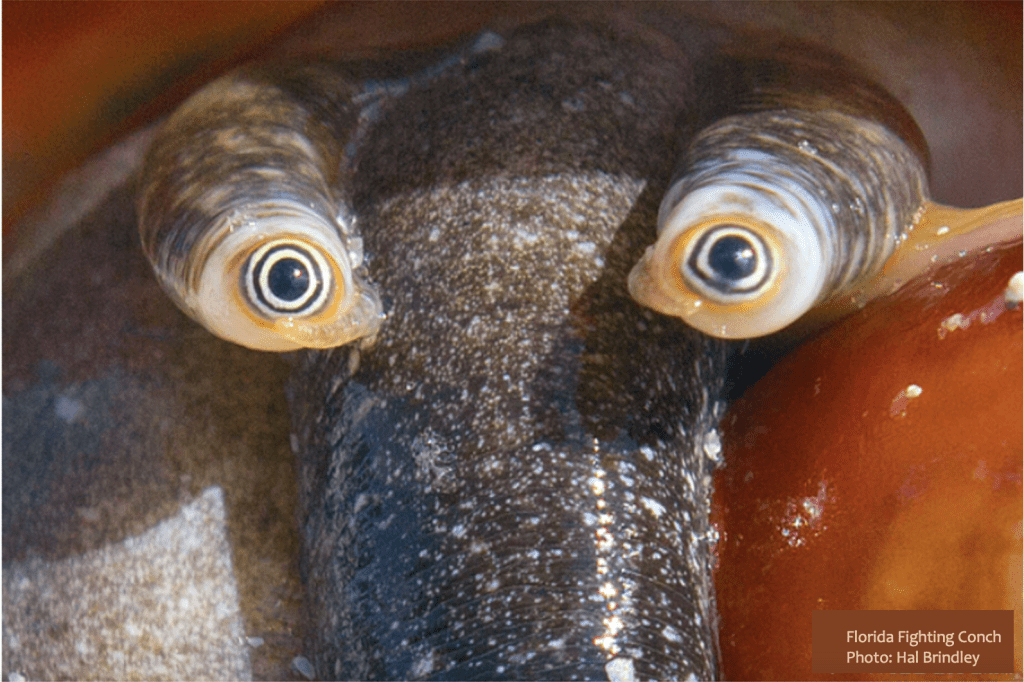
Marine snails are a final example of how effective these alternative nervous systems can be. Conchs have a system of ganglia, nerves and eyes on movable stalks that watch out for predators like humans, sharks, and octopuses. Their relatives, the cone snails, are marine hunters that can shoot a harpoon-like tooth if disturbed, which carries a deadly neurotoxin. It’s best not to get in an argument with cone snails about whether a brain is superior to a decentralized nervous system. They will win.
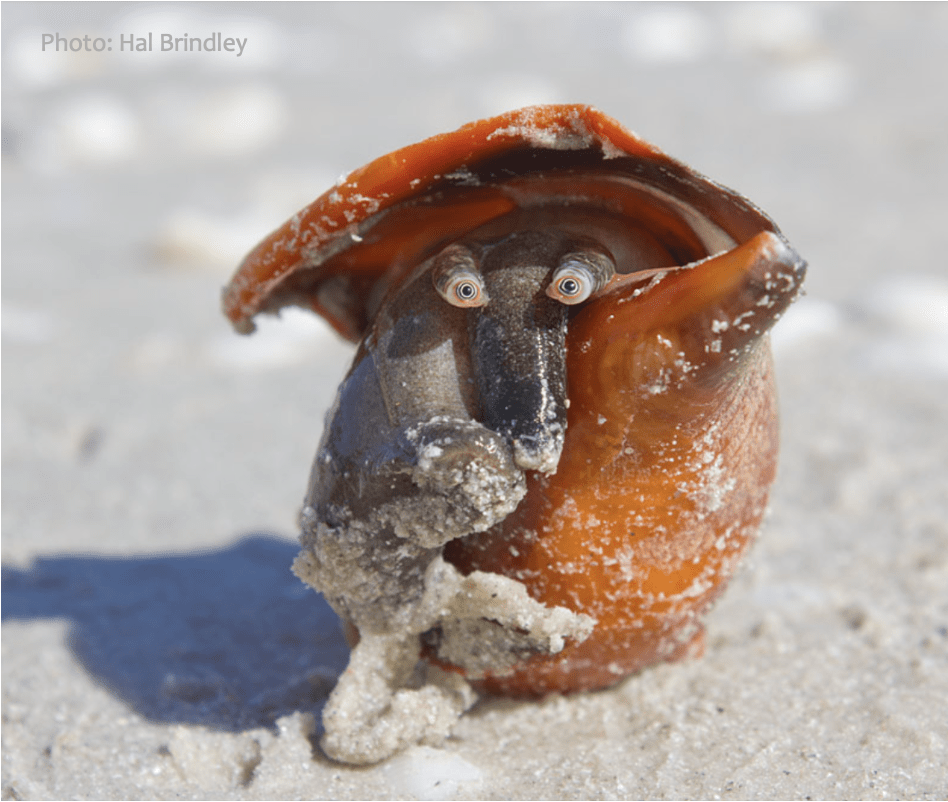
Figure 4. The Florida Fighting Conch is always up for a fight.
REFERENCES:
- Beguš, Gašper, Maksymilian Dabkowski, Ronald L. Sprouse, David F. Gruber, and Shane Gero. “The phonology of sperm whale coda vowels.” bioRxiv (2025): 2025-06.
- Kabadayi, C., & Osvath, M. (2017). Ravens parallel great apes in flexible planning for tool-use and bartering. Science, 357(6347), 202-204.
- Paganos, P., Ullrich-Lüter, J., Almazán, A., Voronov, D., Carl, J., Zakrzewski, A. C., … & Arnone, M. I. (2025). Single-nucleus profiling highlights the all-brain echinoderm nervous system. Science Advances, 11(45), eadx7753.
- Carls-Diamante, S. (2022). Where is it like to be an octopus? Frontiers in systems neuroscience, 16, 840022.
- https://dantheclamman.blog/2019/02/13/how-does-a-scallop-swim/
 Reefbites