
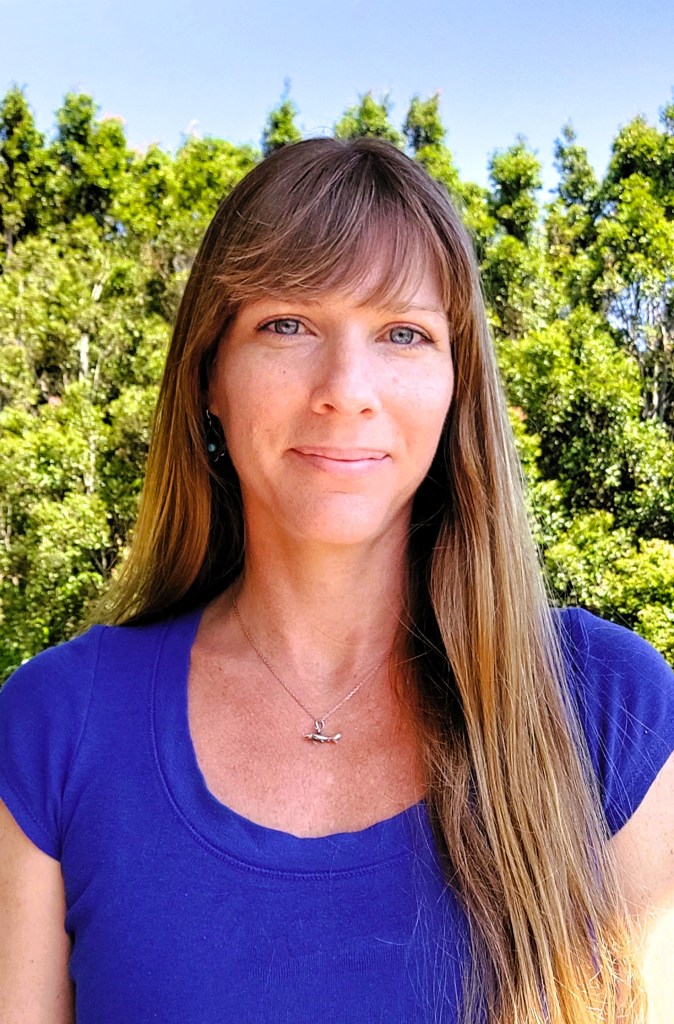
Miranda Spencer Altice is a Master’s student at Southern Cross University. She currently works to answer the question, Can heat-evolved symbionts increase the fitness of coral larvae?
Interview:
Give an elevator pitch of what your projects are about:
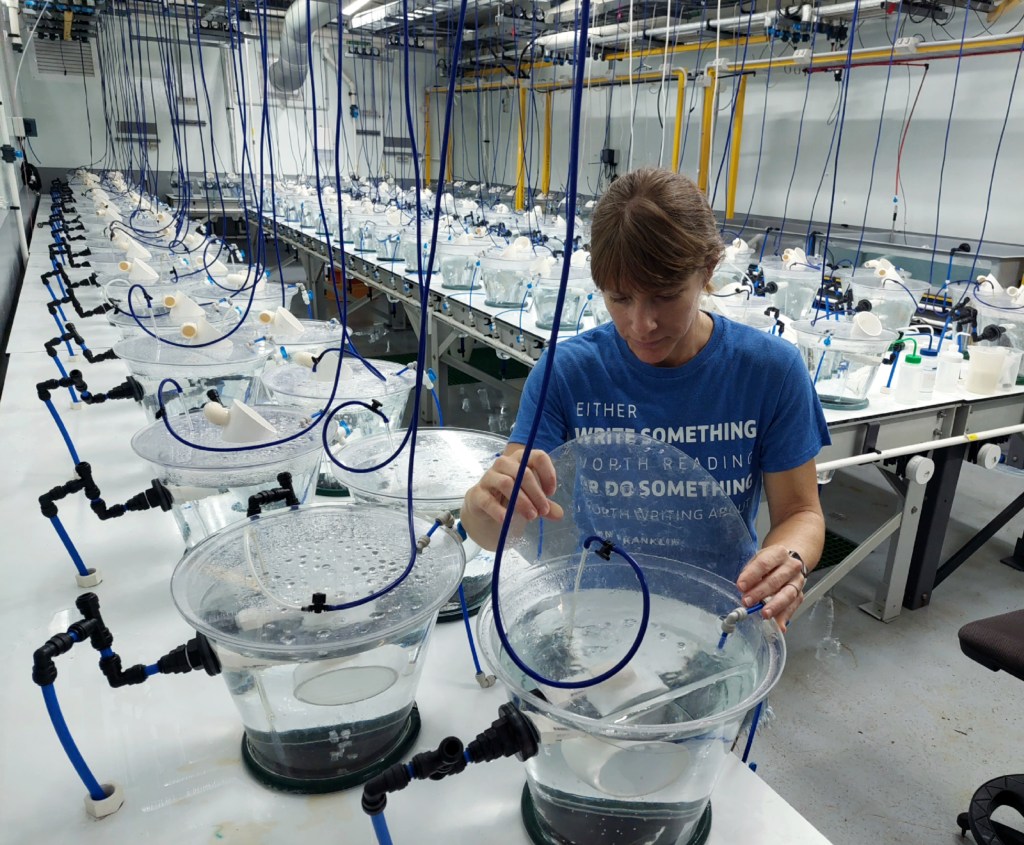
Coral reefs are on the brink of extinction due to anthropogenic global warming. Therefore, my research utilizes a strategy that may increase heat tolerance in corals. This involves providing young corals with microalgal symbionts collected from the wild and conditioned to withstand bleaching temperatures. Since corals and symbionts have an obligate symbiosis, the successful pairing of heat-tolerant symbiont types with different species of corals is of great interest. This research aims to increase the fitness of coral reefs and contribute valuable insight for current and future scientists by determining the optimal density of symbionts to offer corals.
Why is this project important and timely?
As global temperatures rise, coral bleaching events are becoming more frequent and severe. While efforts to address climate change are underway, immediate and direct interventions are needed to protect vulnerable coral reefs. My project responds to this by developing innovative strategies to enhance coral resilience.
What is the broader impact and implication of your work?
My research aims to further our understanding of assisting corals to become more heat-tolerant in a warming world and to create a systematic approach in husbandry and aquaculture for active coral reef restoration strategies and policies.
How did you come to work in this field?
Growing up along the shores of South Florida, I was deeply impacted by the gradual decline of our ocean’s health. From vibrant coral reefs to seagrass beds teeming with life, I witnessed the devastating effects of environmental degradation first-hand. Inspired by influential figures like Sylvia Earle, Jacque Cousteau, and Jane Goodall, I felt a calling to contribute to the preservation of the marine world. This personal journey led me to pursue a career in marine science, driven by a desire to make a meaningful difference and ensure future generations can continue to enjoy and appreciate the beauty of our oceans.

What is your top graduate school life hack or survival resource?
One of my top graduate school survival resources was taking full advantage of the workshops offered by my university. Specifically focusing on areas like statistics, RStudio, and academic writing, these workshops provided invaluable support in tackling challenging aspects of my research. What made it even better was that these workshops were often covered by the university, eliminating any additional cost. Not only did I receive essential guidance, but I also found camaraderie among fellow students facing similar challenges. Plus, having a stash of peanut M&Ms for those long RStudio sessions didn’t hurt either!
Do you have other research interests? What are they?
While my current research focuses on coral reef conservation, my passion for marine biology extends to other areas, particularly sharks and marine taxonomy. I’ve always been fascinated by the intricate behaviours of fish species, especially sharks, and I find joy in delving into the details of marine taxonomy. Whether it’s deciphering dichotomous keys or exploring vintage phylogenetic trees, I could spend hours immersed in the world of fish biology. In the future, I hope to explore these interests further and contribute to our understanding of marine ecosystems from different angles.
To contact Miss Spencer Altice:
email – mirandasaltice@gmail.com | Instagram: @theindigonaturalist | LinkedIn: miranda spencer altice | X: @mirandasaltice
 Reefbites